

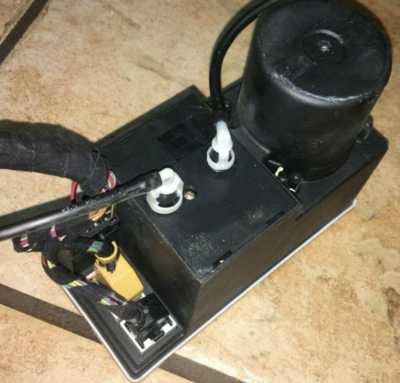
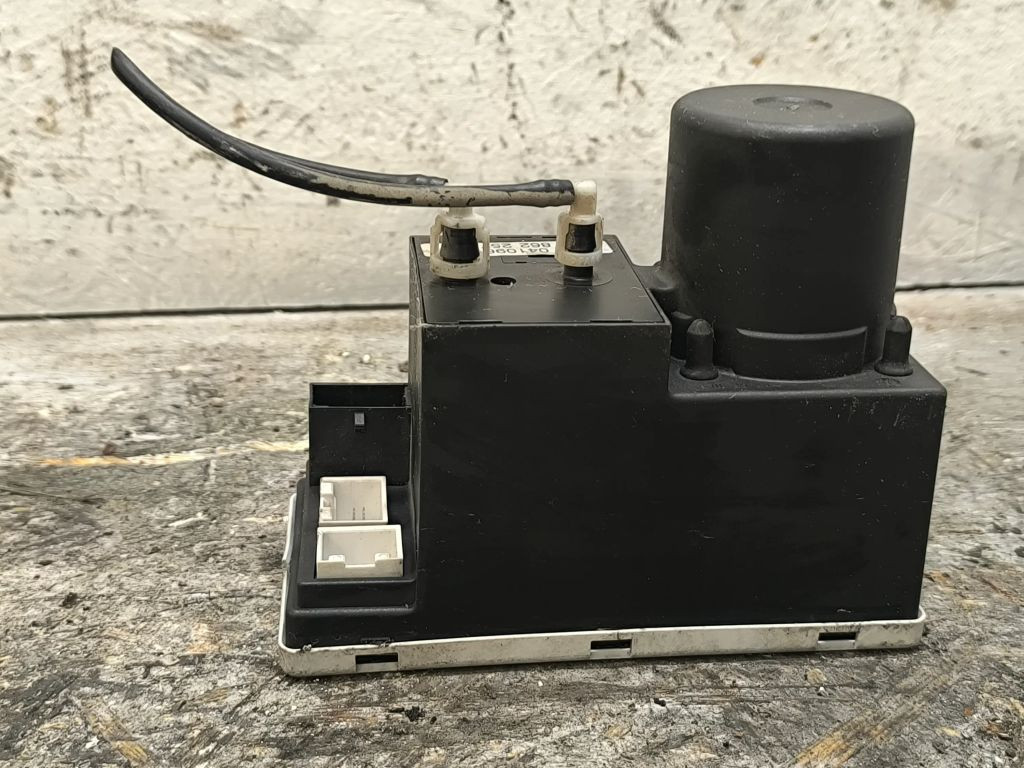
Audi B5 S4 Central Locking Vacuum Pump
$100.00
The Audi B5 S4 central locking vacuum pump is a mechanically and electronically integrated component vital for the operation of the pneumatic central locking system.
Description
Audi B5 S4 Central Locking Vacuum Pump is a vital component of the vehicle’s central locking system, crucial for actuating the locking and unlocking of doors, trunk, and fuel filler flap through vacuum pressure. This pump enables the automatic locking system, allowing the driver to secure the vehicle effortlessly via the key fob or door lock switches. This 3000-word detailed description explores the pump’s design, functionality, integration within the B5 S4’s systems, common issues, maintenance, and repair best practices to provide a comprehensive technical understanding.
Overview: Role in Central Locking System
The vacuum pump acts as the pneumatic driver for the B5 S4’s central locking mechanism. Unlike purely electric solenoid-based locks, Audi’s B5 S4 employs a vacuum-driven system where the pump generates vacuum pressure and atmospheric pressure cycles, moving pistons within door lock actuators to achieve locking or unlocking. The system uses vacuum lines routed throughout the doors and trunk to transfer this pressure.
This design predates the full electric door locking systems seen in modern vehicles and is known for smooth, reliable operation and power efficiency while reducing the load on the battery and wiring harness.
Location and Physical Characteristics
-
The vacuum pump is typically located on the driver’s side, near the firewall within the engine bay, often mounted on or near the brake booster.
-
Physically compact and electrically powered, the pump operates quietly and efficiently under command of the central locking module.
-
It typically draws vacuum from the engine intake manifold or has an internal mechanism for vacuum generation independent of engine vacuum.
Functional Components
The central locking vacuum pump system comprises:
-
Vacuum Pump Unit: A small electric motor-driven diaphragm or vane pump that produces vacuum pressure upon activation.
-
Vacuum Reservoir: Some systems include a reservoir or accumulator to store vacuum for immediate use, ensuring faster lock/unlock response.
-
Vacuum Lines and Valves: Rubber or synthetic tubes distribute vacuum to door and trunk actuators. Control valves and solenoids, governed by the body control module, direct vacuum or vent the lines to atmosphere.
-
Control Electronics: The central locking module communicates with key fob inputs and vehicle status to energize the pump and valves.
Operation Principle
When the locking command is received (key fob press or manual lock):
-
The vacuum pump activates, creating a vacuum on the locking line.
-
The vacuum pulls the locking actuators’ pistons inward, engaging the locks.
-
When unlocking, the system vents vacuum lines to atmospheric pressure, allowing springs to return pistons and unlock doors.
-
The pump may operate briefly to restore vacuum to the system or maintain pressure, then shuts off automatically.
Common Issues and Diagnostics
Over time, and with environmental exposure, the vacuum pump system may develop faults such as:
-
Pump Failure: Due to wear, electrical faults, or internal diaphragm tears, leading to loss of vacuum and central locking failure.
-
Vacuum Leaks: Cracked or brittle vacuum lines allow loss of pressure causing intermittent or complete central locking malfunction.
-
Electronics Problems: Faulty control modules or valve solenoids can misdirect vacuum flow or fail to energize the pump.
-
Condensation or Dirt Contamination: Moisture or debris in vacuum lines or pump interior can impair seal integrity and function.
Symptoms of a failing vacuum pump include doors not locking or unlocking via remote, a constant buzzing or humming noise from the pump indicating overload, or no response from the central locking system.
Maintenance and Repair
-
Inspection: Regular checks of vacuum hoses for cracks, brittleness, or disconnections; inspect vacuum pump electrical connectors for corrosion.
-
Testing: Vacuum generation can be tested using a vacuum gauge; solenoid valves can be checked for proper function with electrical test equipment.
-
Replacement: Vacuum pumps are replaceable units; commonly available as OEM or aftermarket parts.
-
Cleaning and Repair: Some pumps can be serviced by replacing diaphragms or seals; vacuum lines can be flushed and replaced as needed.
-
Software Reset: Occasionally, central locking module resets or key fob reprogramming is necessary after repair.
Integration with Other Systems
The central locking vacuum pump is interlinked with the vehicle’s alarm, immobilizer, and body control modules. A failure can indirectly affect security systems and start-up convenience due to its role in door lock status monitoring.
Technological Context and Evolution
The vacuum-operated central locking system reflected Audi’s engineering approach in the late 1990s to early 2000s, prioritizing reliability and energy efficiency. Newer generation vehicles have transitioned to fully electronic solenoid-based systems. However, the robust vacuum pump system remains a hallmark of the B5 platform’s mechanical complexity.
User Experience and Reliability
Owners typically report the central locking vacuum pump as reliable for much of the vehicle’s lifespan but susceptible to failure in higher mileage or vehicles with harsh climate exposure. Prompt diagnosis and repair restore optimal locking convenience and security.
Summary
The Audi B5 S4 central locking vacuum pump is a mechanically and electronically integrated component vital for the operation of the pneumatic central locking system. Its design harnesses vacuum pressure dynamics to lock and unlock doors efficiently and reliably. While aging components, electrical failures, or vacuum leaks can cause system faults, routine diagnostics and maintenance ensure long-term optimal function. Replacement pumps and repair kits extend the service life of B5 S4 vehicles, maintaining factory-level locking convenience and security.
Related products

Audi B5 S4 Stock Shifter/Knob/Box
Original price was: $350.00.$300.00Current price is: $300.00.

Audi S4 B5 A6 C5 6-Speed Manual 01E manual Gearbox Center Diff Torsen
Original price was: $450.00.$400.00Current price is: $400.00.
Audi b5 s4 Steering Column Surround
Original price was: $230.00.$155.00Current price is: $155.00.About Audi B5S4 Parts

AudiB5S4Parts is a top destination for enthusiasts seeking Audi B5S4 and performance parts for the Audi B5 S4—covering models from 1999 to 2002 equipped with the iconic 2.7T engine.
Copyright 2025 ©AudiB5S4Parts. All right reserved.

Reviews
There are no reviews yet.